Robert Schumann’s Musical House- and Life-Rules: Wisdom That Still Rings True

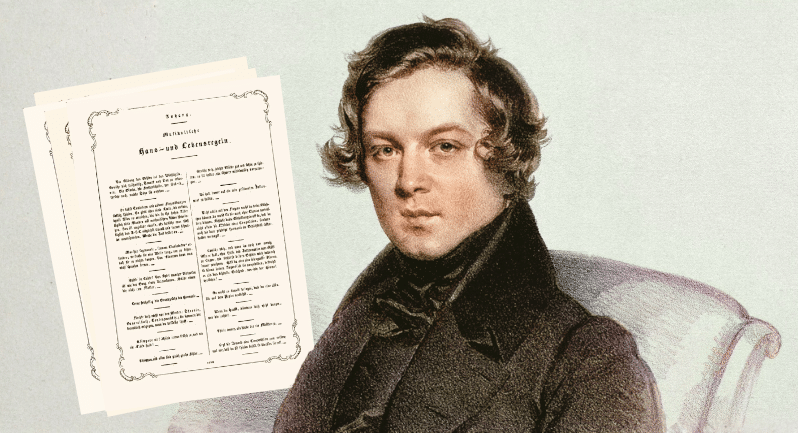
Robert Schumann is remembered today as one of the great composers of the Romantic era — the mind behind Kinderszenen, the Piano Concerto in A minor, and Dichterliebe. But alongside his music, he left behind something equally remarkable: a set of principles for young musicians that reads, more than 170 years later, as if it were written yesterday.
The Musical House- and Life-Rules was a pamphlet Schumann wrote as a companion to his Album for the Young Op. 68, published in 1848. It was addressed to children learning music — but its reach extends far beyond the practice room. Whether you are a student working through your first RSL grade, a teacher guiding a young musician, or a seasoned player returning to your instrument, Schumann’s words have something to offer you.
We have gathered some of his most enduring principles here, with a few thoughts on why they still matter.
On Practice
“You should play scales and other finger exercises diligently. There are, however, many who think they can achieve everything by spending many hours a day practicing mechanically right into old age. Make better use of your time.”
This is perhaps the most important thing Schumann says — and one of the most frequently ignored. Hours at the instrument mean nothing without attention and intention. The student who practises one difficult passage slowly and thoughtfully for twenty minutes will make more progress than the one who runs through an entire piece carelessly for an hour. Your scales (and rudiments for drummers!) are an integral part of building a solid musical foundation.
He adds elsewhere: “Never just plunk away. Always play as if afresh and never stop halfway through a piece.” Quality of attention, not quantity of time, is what transforms practice into progress.
On Listening
“Aural training is the most important thing. Make efforts from the start to recognize keys and notes. The bell, the window-pane, the cuckoo — investigate the sounds they make.”
Schumann believed that the ear was the foundation of everything. Before notation, before technique, before repertoire — there is listening. He encouraged musicians to hear music everywhere, not only in the practice room, and to develop what he called an inner sense of music: the ability to hear a melody in the mind, away from the instrument.
“You must not know your pieces only via your fingers; you must also be able to hum them away from the piano. Teach your imagination so that you can recall not just the melody of a composition but also the harmony that goes along with it.”
This is the difference between a musician and someone who has memorised a sequence of movements. True musicianship lives in the mind and the heart, not the fingers.
On Playing with Others
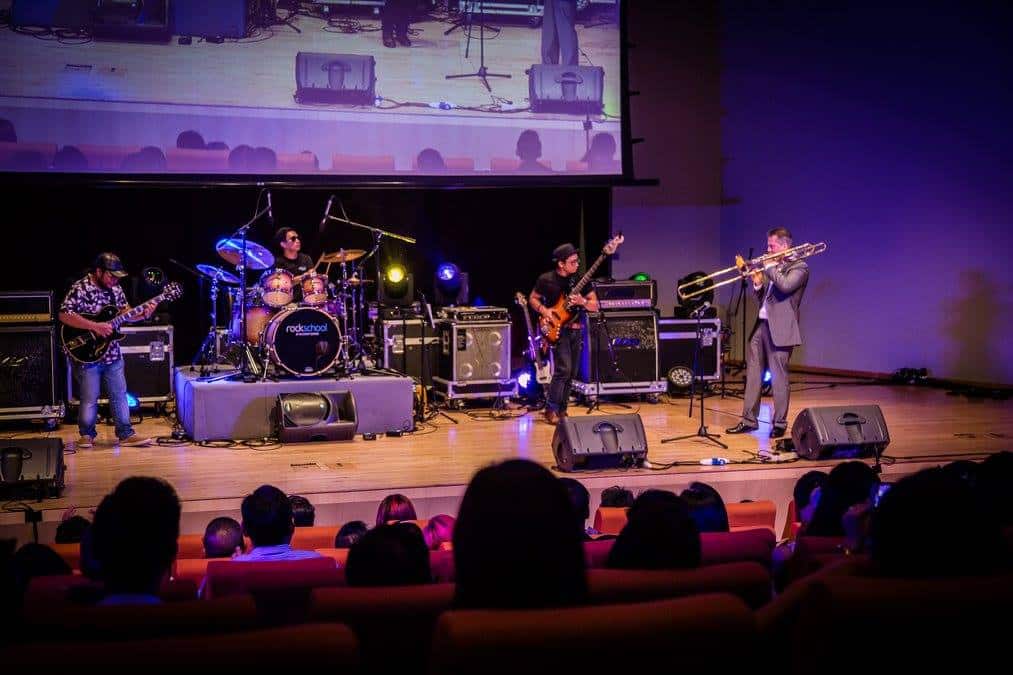
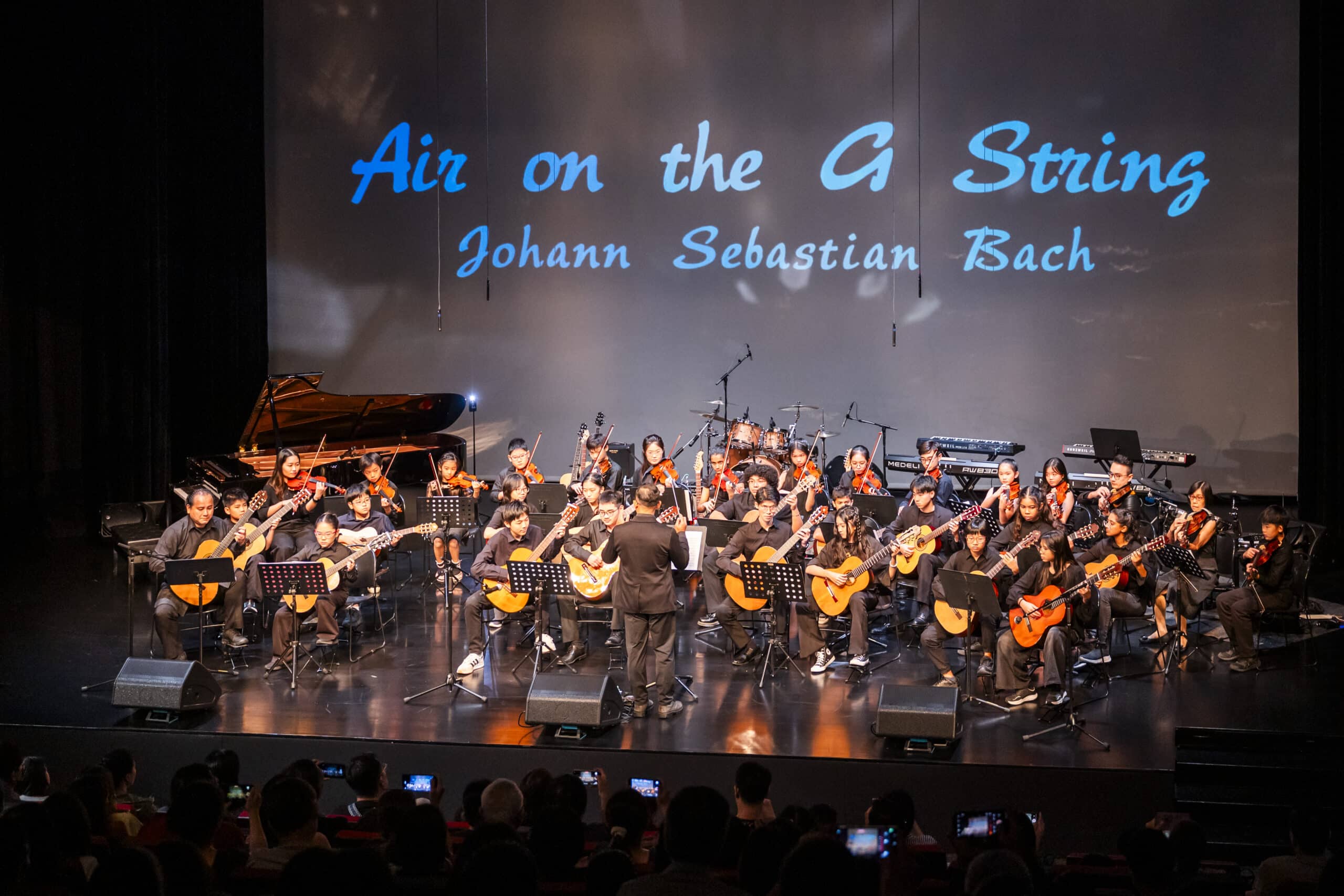
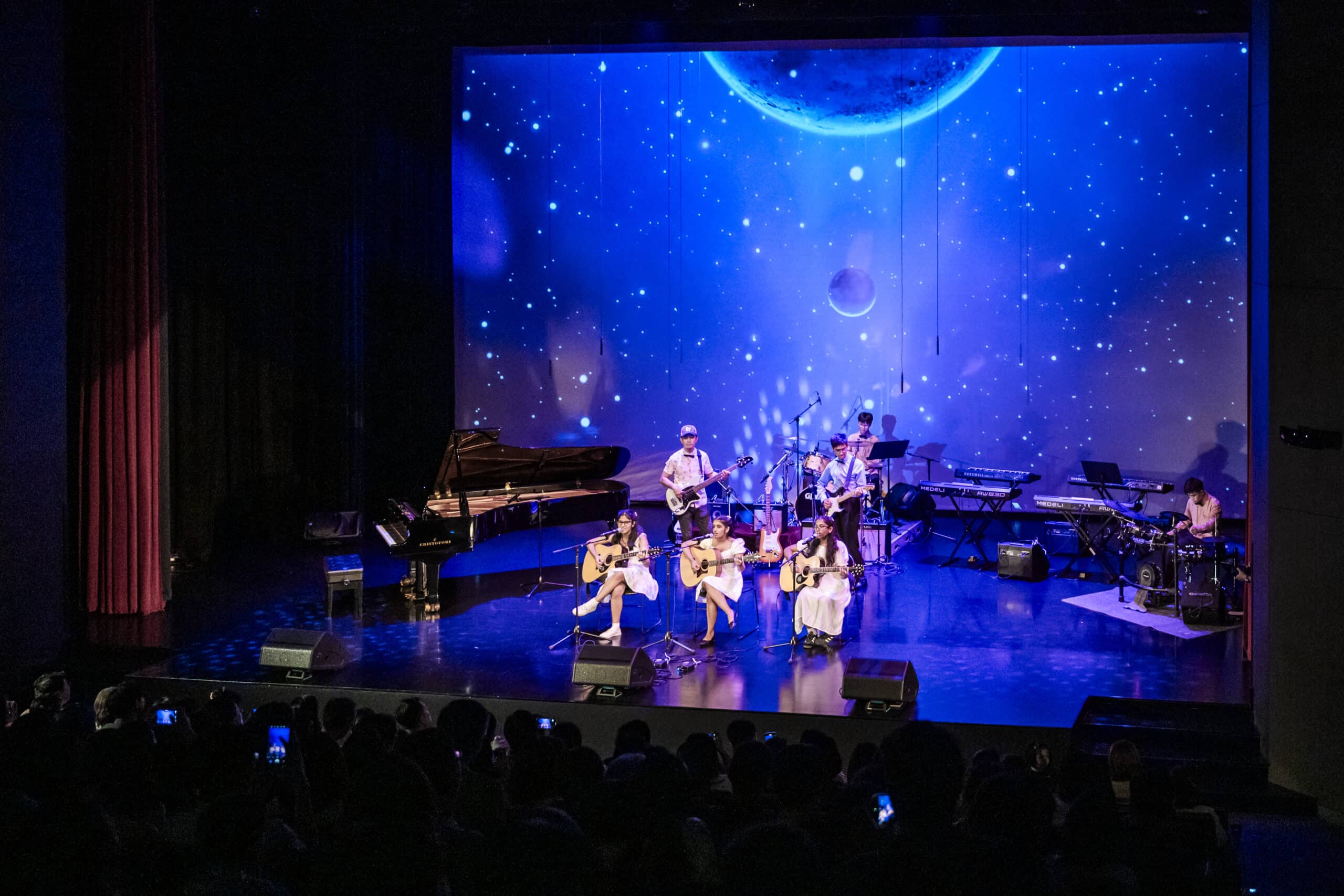
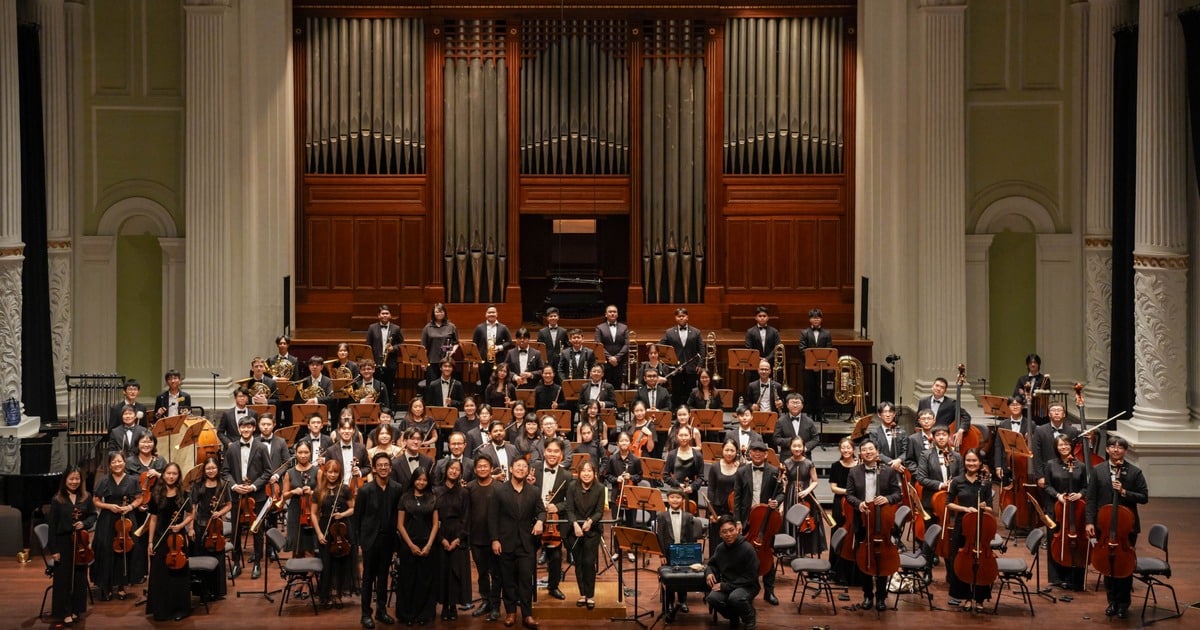
Ensemble and Band playing are important to anyone’s musical journey and can teach us essential life skills: active listening, adaptability under pressure, non-verbal communication, and the art of working together toward a shared objective.
“Waste no opportunity to make music with other musicians, in duos, trios etc. This makes you play fluently and with animation. Also, accompany singers often.”
Music is not a solitary pursuit. Schumann understood that something happens when musicians play together that cannot be replicated alone — a responsiveness, a give and take, an awareness of others that deepens every aspect of one’s playing. He also noted something that many instrumentalists overlook: “A lot can be learned from singers.” The breath, the phrasing, the natural shaping of a melodic line — these are lessons that singers carry in their bodies, and that instrumentalists can learn from watching and accompanying them.
On Technique
“Fancy passage work fades over time. Technical accomplishment is only of value where it serves a higher purpose.”
Speed is not musicianship. Dazzling the audience with difficult passages is not the same as moving them. Schumann was clear about this — technique exists to serve the music, not to be displayed for its own sake. He goes further: “Do not search just for technique and so-called bravura. In a composition seek to bring out the expression that the composer had in mind, and no more. Anything beyond that is a caricature.”
This is a principle that applies at every level, from grade exams to concert halls. The student who plays a simple piece with genuine musical understanding will always be more satisfying to listen to than one who navigates a difficult one without it.
On Keeping an Open Mind
“Do not judge a composition on a single hearing; the things that first catch your attention are not always the best. The great masters must be studied. Many things will only become clear to you in later life.”
Some of the most rewarding music in the world does not give itself up immediately. It requires return visits, patience, and a willingness to stay with something that is not yet fully understood. Schumann knew this from his own experience as a composer whose music was not always immediately appreciated — and from his deep love of Bach, whose complexities continue to reveal themselves to musicians across generations.
He also warns against following fashion: “When you are older, do not play fashionable pieces. Time is precious. You would need a hundred lifetimes just to get to know all the good pieces there are.”
On the Bigger Picture
“The laws of morality are also those of Art.”
“Without enthusiasm, nothing worthwhile can be accomplished in Art.”
“The purpose of Art is not to acquire wealth. Just strive always to be a better and better artist; everything else will follow of its own accord.”
“There is no end to learning.”
These final principles remind us that learning music is not simply a technical undertaking. It is a way of developing as a person — in discipline, in humility, in curiosity, in generosity. The best musicians are not those who know the most, but those who remain the most open to learning, throughout their entire lives.
A Final Thought
What is perhaps most striking about Schumann’s rules is how human they are. He does not speak to students from a pedestal. He acknowledges that practice can be dull, that “fashionable” or “trending” music can be tempting, that ego is a constant risk, and that the path to becoming a musician, and a good person is long. He simply asks that students remain honest, curious and devoted to something larger than themselves.
“The road to improve is always through hard work and perseverance.”
At RSL Event Center, that is exactly what we believe too. Whether you are preparing for your first graded exam or your hundredth performance, the principles Schumann set down in 1848 are still the ones worth keeping close.
The full text of Schumann’s Musical House- and Life-Rules is preserved at the Robert Schumann House in Zwickau, Germany, and can be read in full at schumann-zwickau.de.
Check it out here!
RSL London @ Funan (Main Office)
107 North Bridge Road #04-10 Funan Mall, Singapore 179105
Tel: (65) 6016 9395
RSL Event Center (Public Exam Venue)
Blk 51 Old Airport Road #02-56, Singapore 390051
Tel: (65) 6348 6100
📲 WhatsApp: (65) 9830 8519
✉️ exam@rs-event.sg