Beyond Exams: How Performing Experience Supports Learning in Young Musicians


How does performing live support a young musician’s learning? Explore performance as part of the learning cycle, what students gain from the stage, and how parents and teachers can help.
Learning Does Not End at the Exam
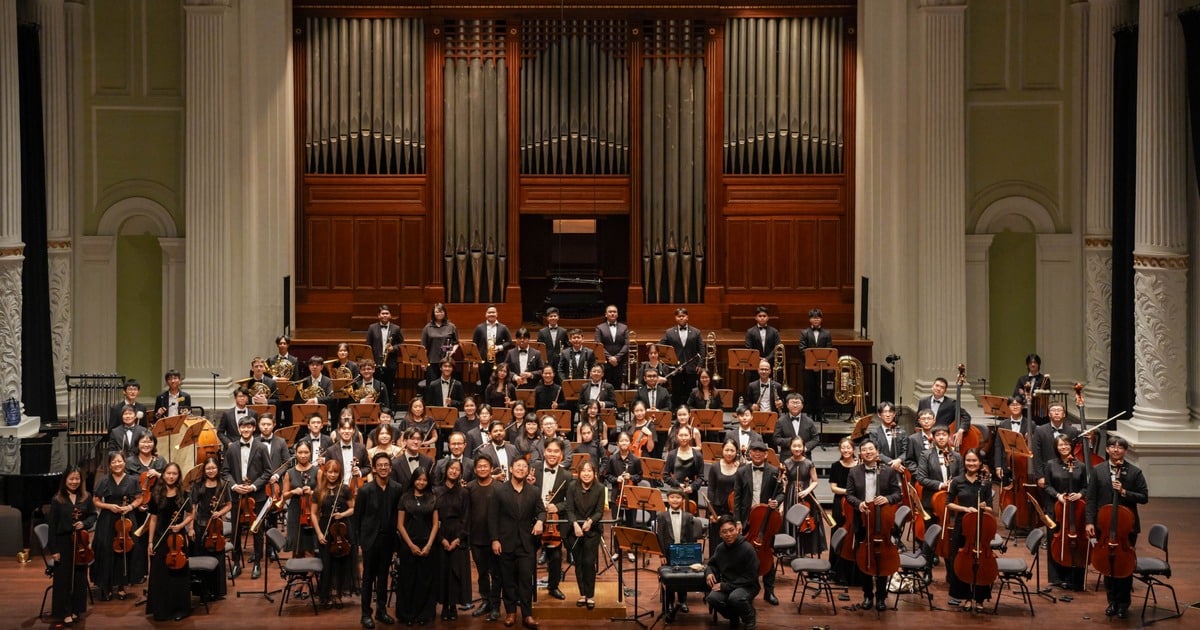
Graded exams give young musicians clear goals and an external measure of progress. But music is a performing art, and many teachers will tell you that some of the most valuable lessons happen when a student plays for other people. Performance is not an extra: it is part of how musicians learn.
Performance as Part of the Learning Cycle
Good music teaching often follows a simple cycle: learn, practise, perform, reflect. A student learns a piece, practises it, shares it with an audience, then reflects on what went well and what to improve. The performance step gives the other three a purpose, and the reflection that follows turns the experience into progress.
How Performing Builds Confidence
Educators often describe confidence as something earned through experience. When a young musician prepares carefully, plays for others and succeeds, even in a small way, they gain evidence of what they can do. That kind of mastery experience is one of the most reliable foundations of self-belief, and it is why a series of small, positive performances tends to matter more than one big occasion.
What Students Learn on Stage
- Focus under pressure: attention must stay on the music, even when nerves are present (we’ve all been there!).
- Preparation habits: knowing that a performance is coming gives practice a clear deadline and purpose, and teaches responsibility and time management.
- Communication: music is a way of sharing, and performers learn to work together, and connect with listeners.
- Recovery: when something slips, the music goes on, and students learn to carry on calmly.
- Active Listening: playing with others, as in a band or ensemble, builds awareness of timing and balance.
Exams and Performance Together
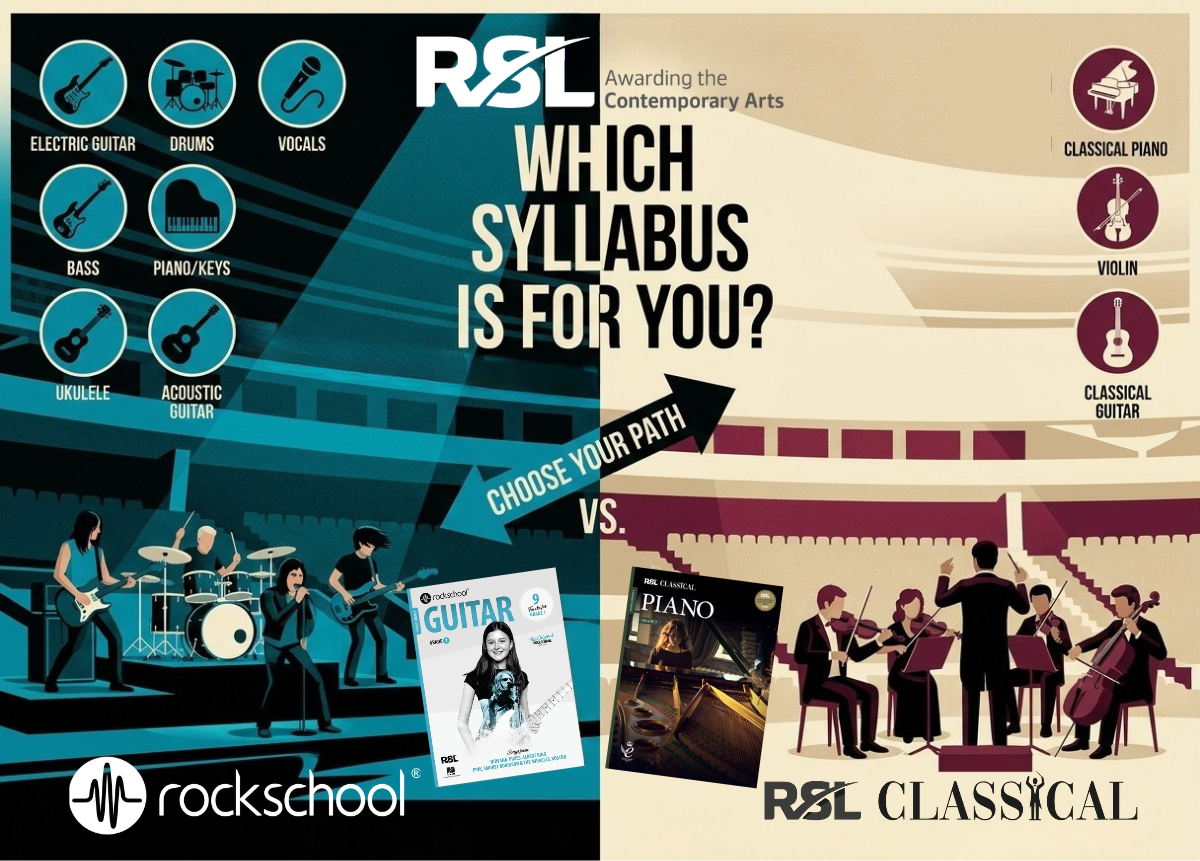
An exam is also a kind of performance, and RSL pathways reflect that. Candidates can choose a Performance Certificate, which focuses on performing pieces, and Free Choice Pieces allow them to play music they feel strongly about, including their own compositions at the right level. Exams can be taken face to face, or recorded. Alongside the exam, concerts and recitals give students a lower-pressure space to perform, and each experience supports the other.
Supporting Young Performers
For parents and teachers, a gradual approach tends to work well:
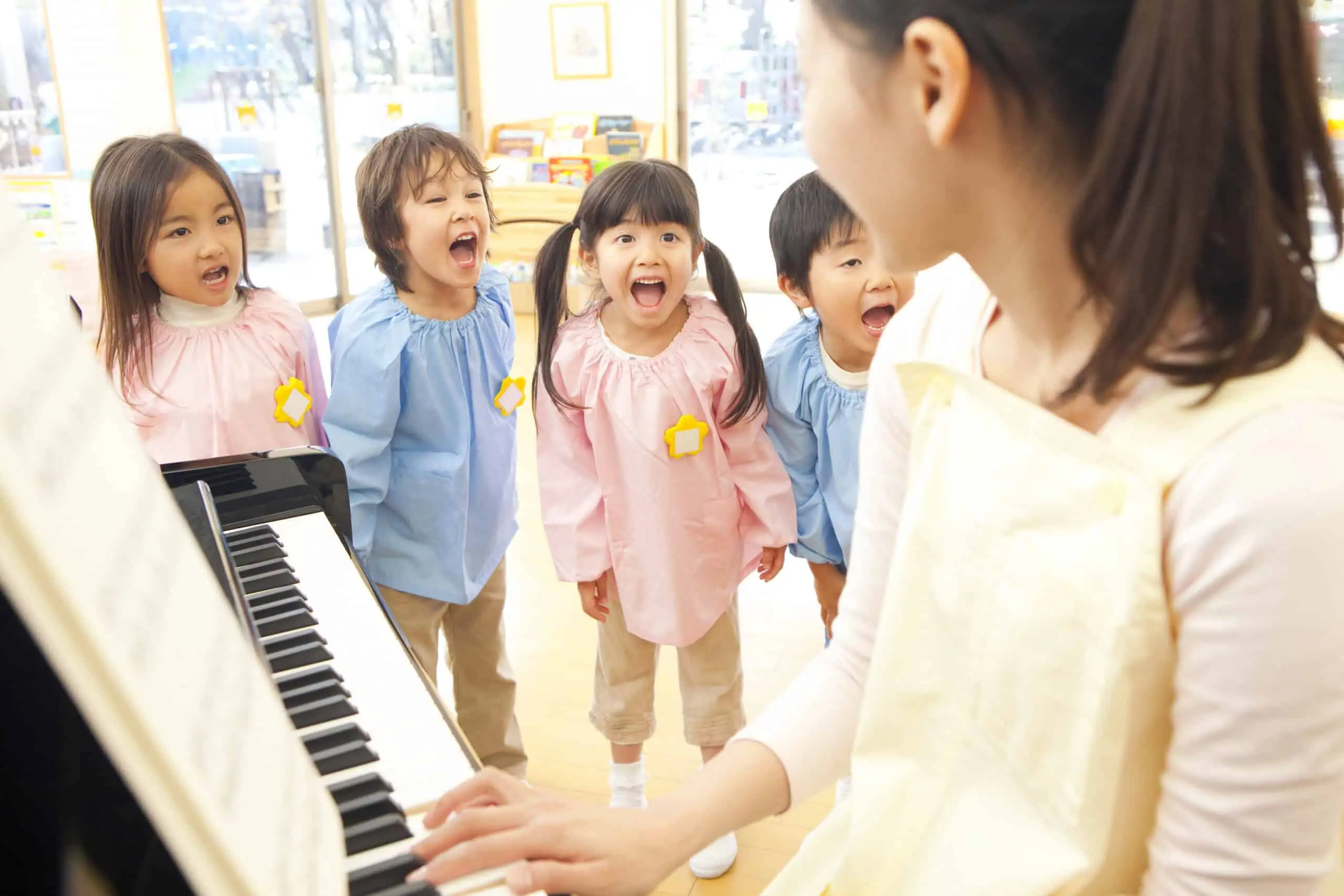
- Start small. Play for the family or in a teacher’s studio class.
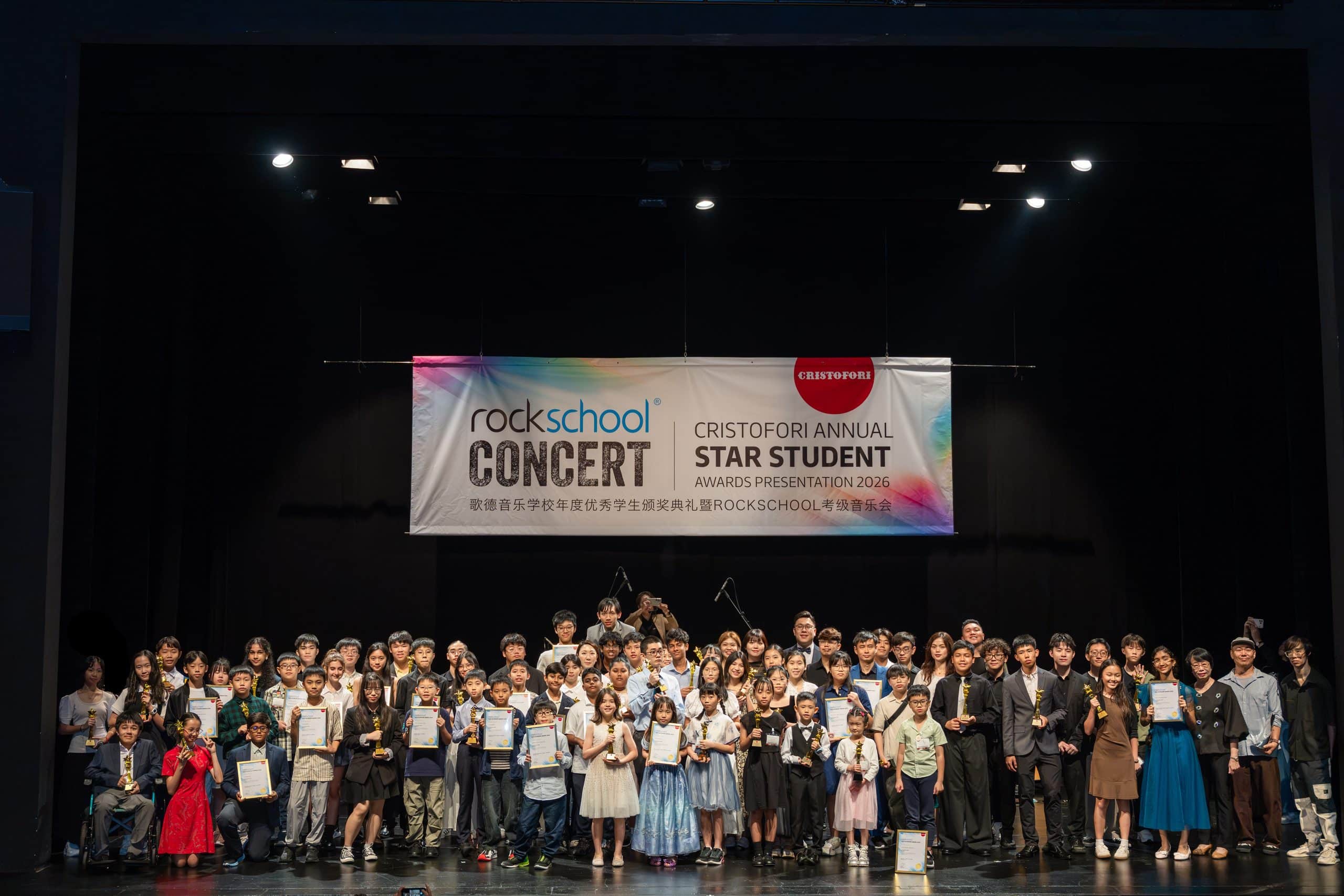
- Build up. Move to a recital or a school concert when the student is ready.
- Set a gentle goal. Focus on one thing, such as steady tempo or a confident start.
- Reflect afterwards. Ask what felt good, what was tricky and what to try next.
- Normalise nerves. A little nervousness is common, and it can be managed with preparation and practice.
Performance Opportunities
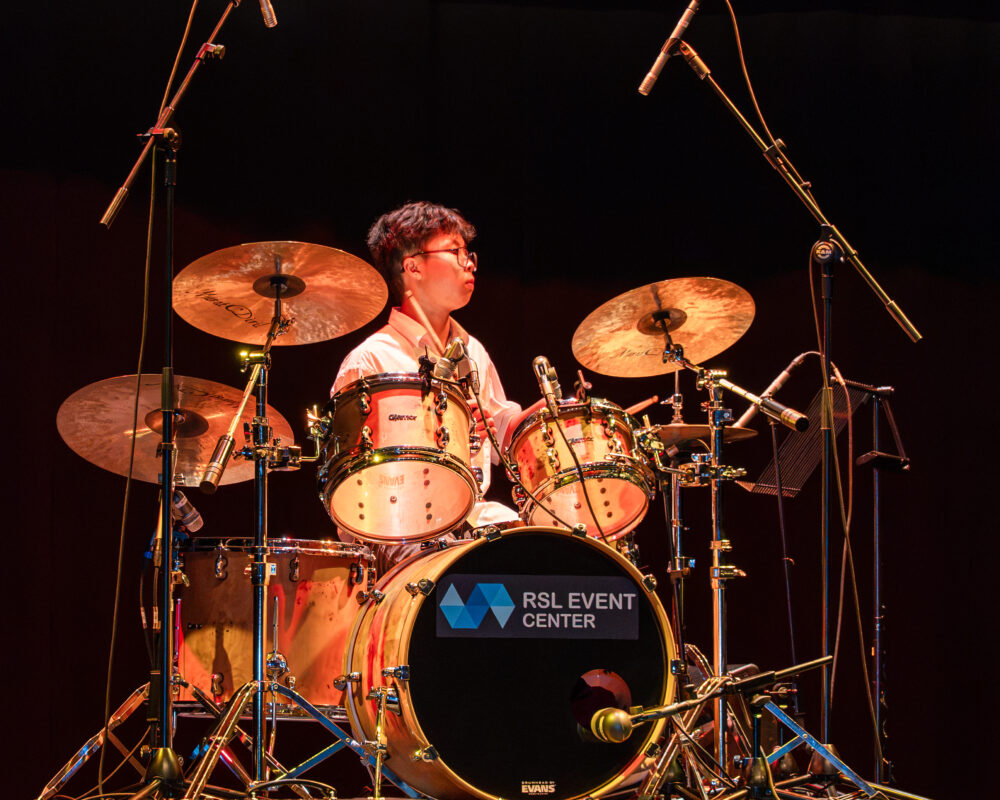
RSL Event Center and its organises showcases, competitions, concerts and other events throughout the year. Follow us on our Facebook and Instagram to see what we’re up to in 2027.
Looking for guidance on exam preparation? Visit our prepare for your exam page, or browse our Upcoming Events.