Roman Borisov Makes a Delightful Asia Debut at Victoria Concert Hall

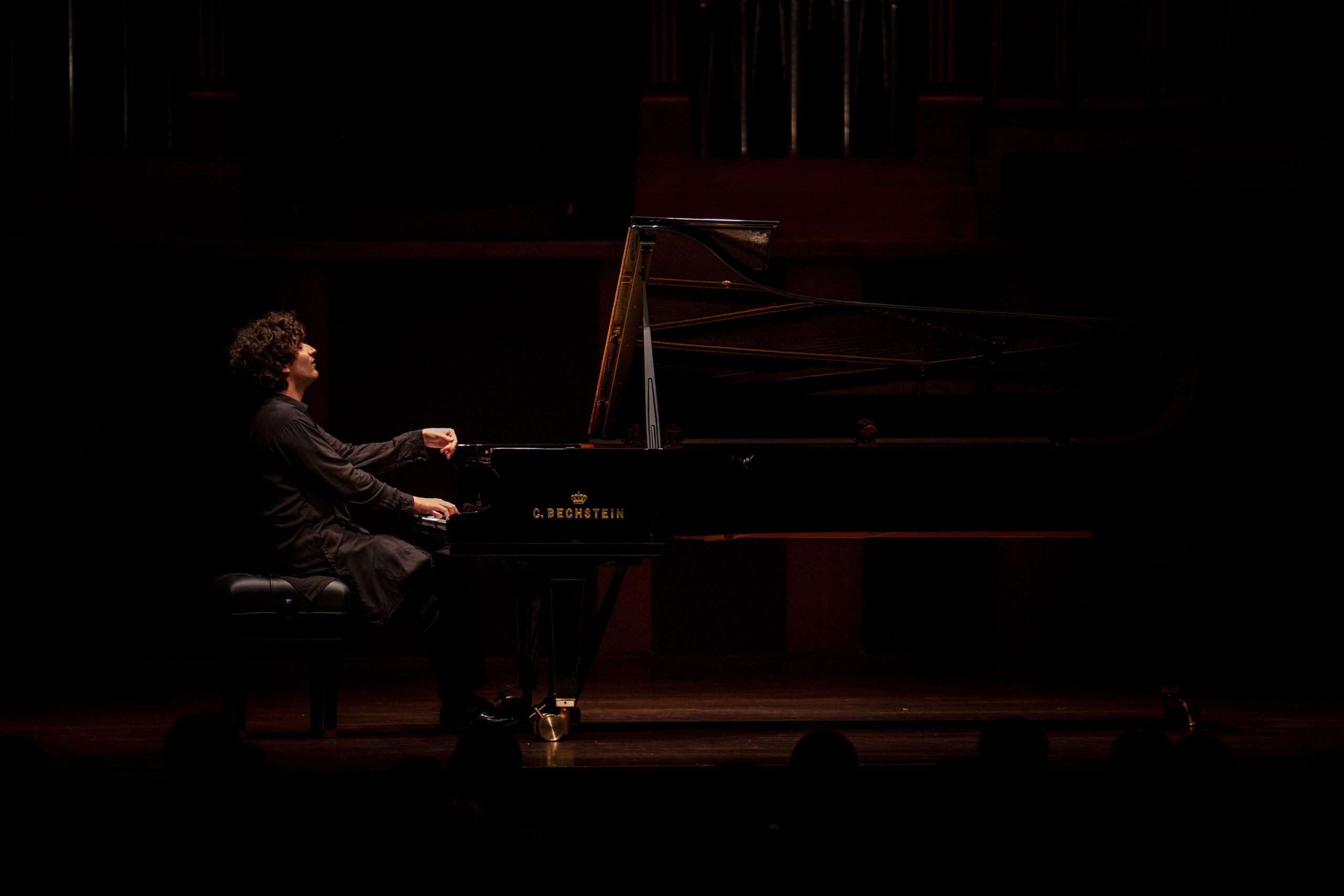
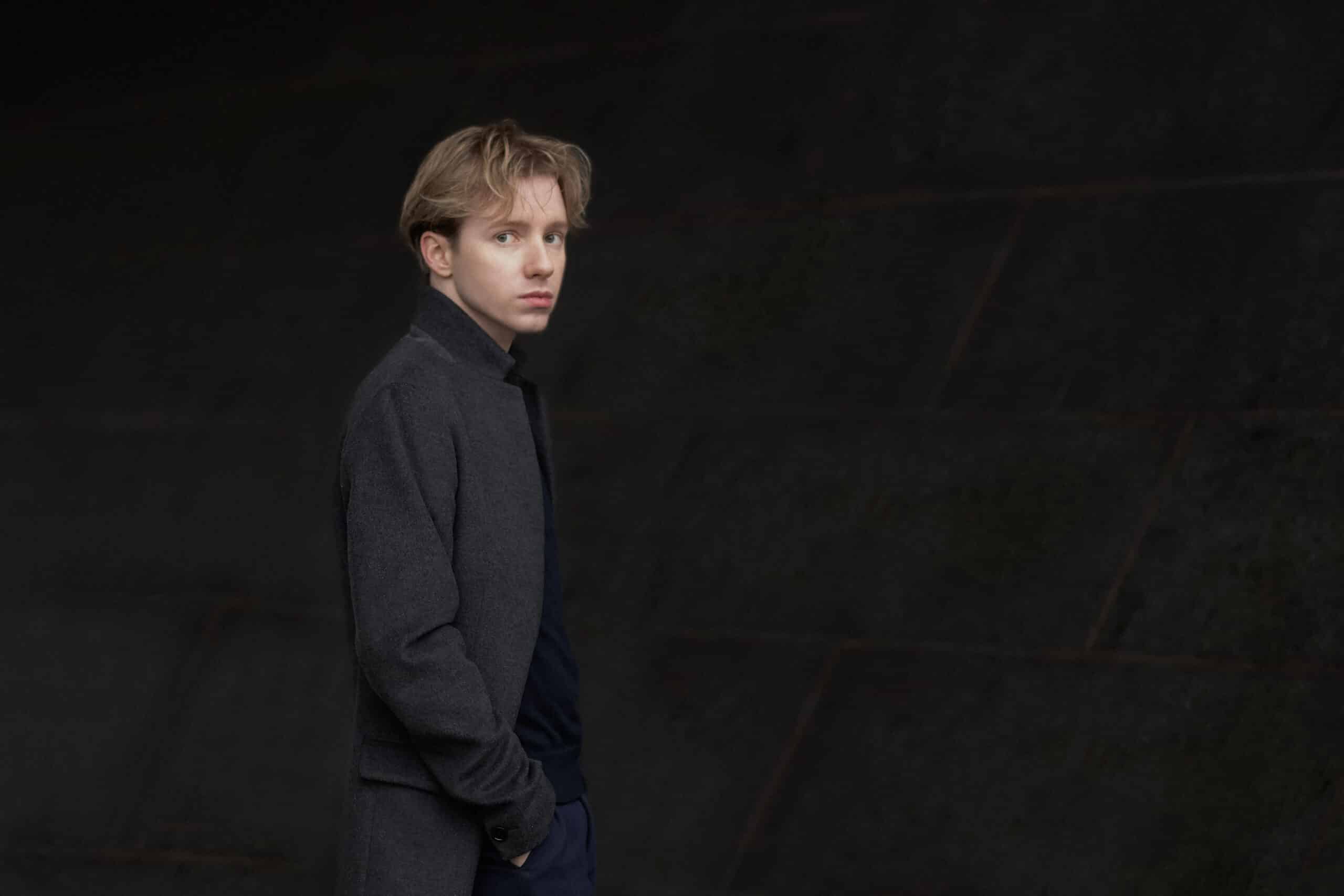
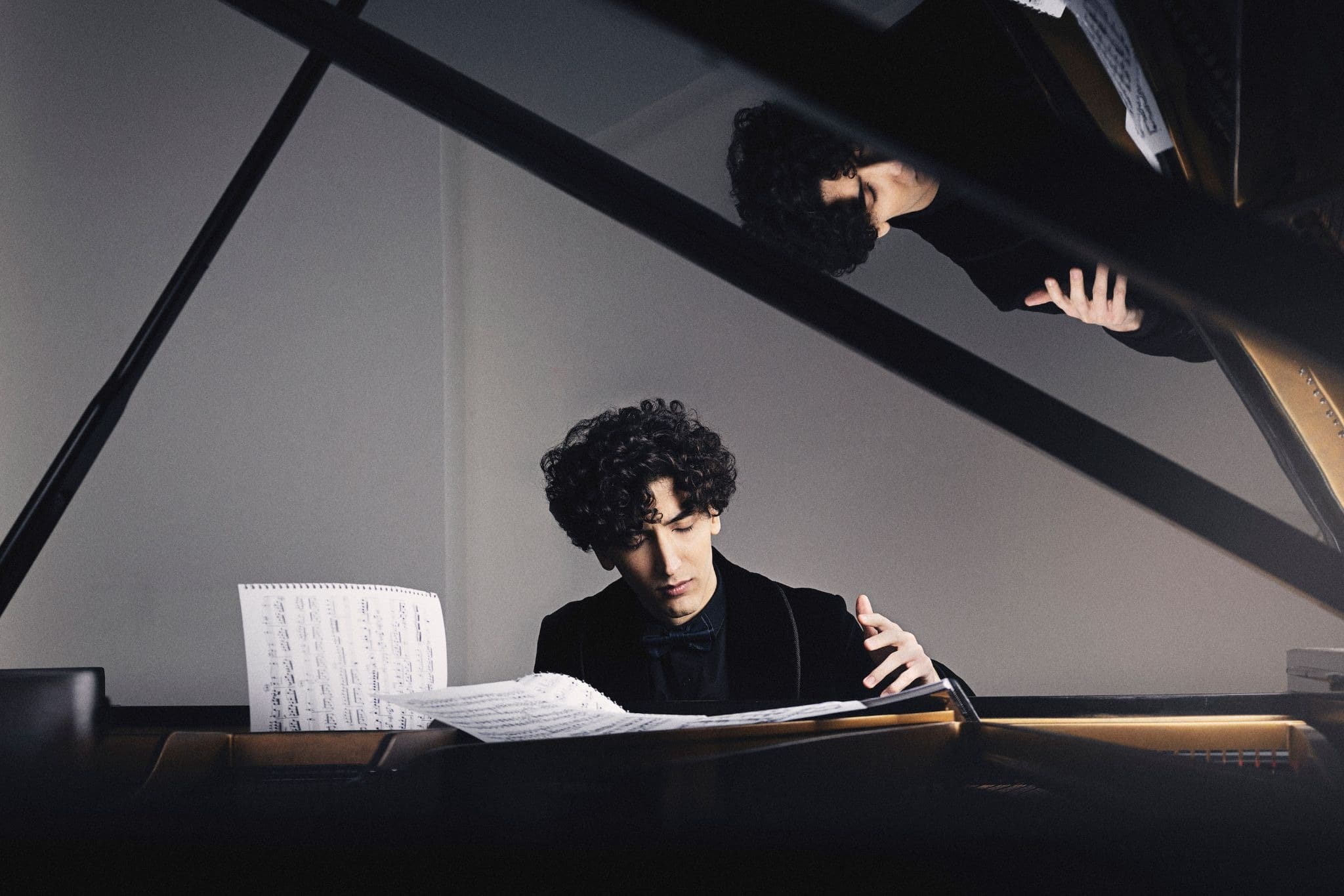
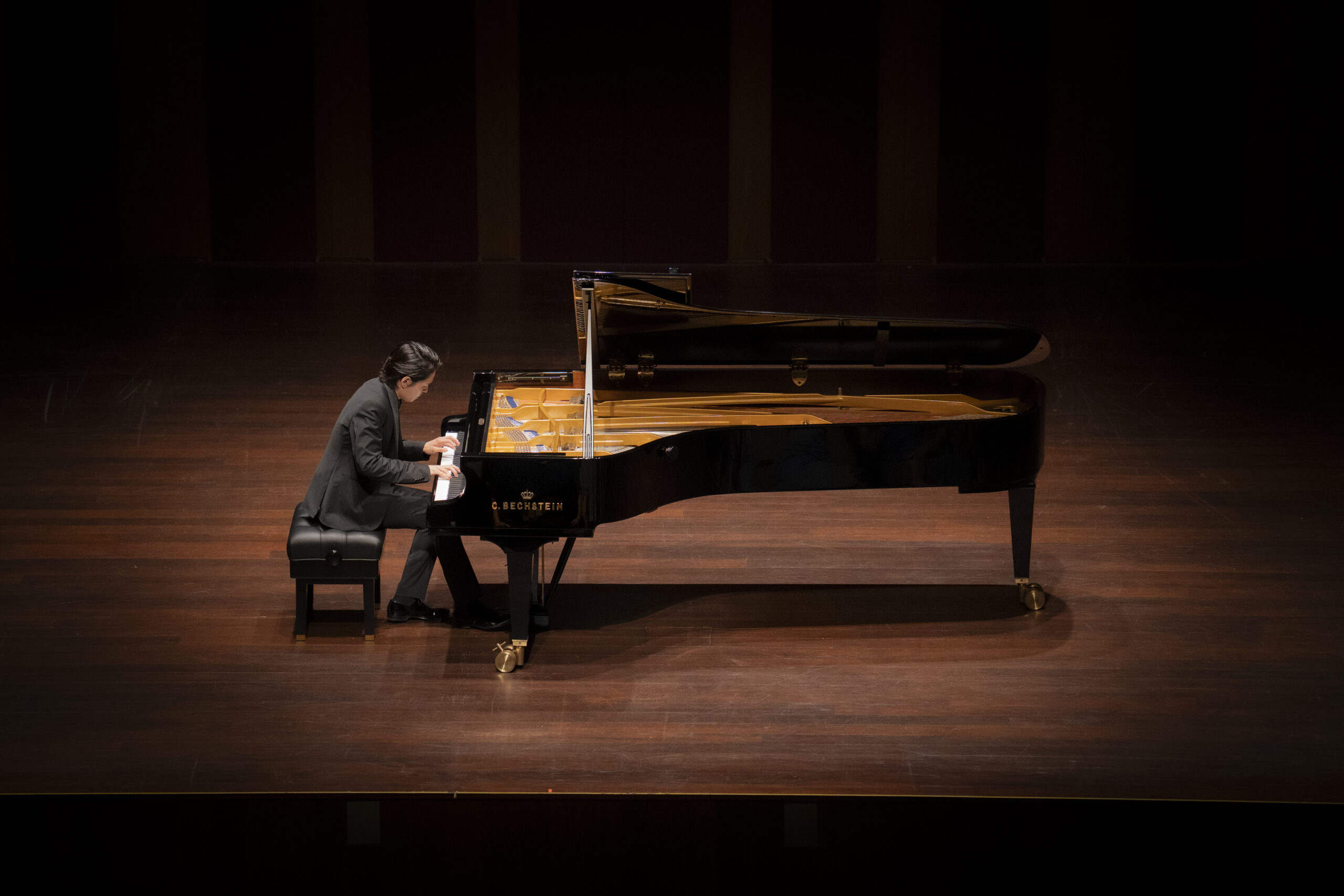
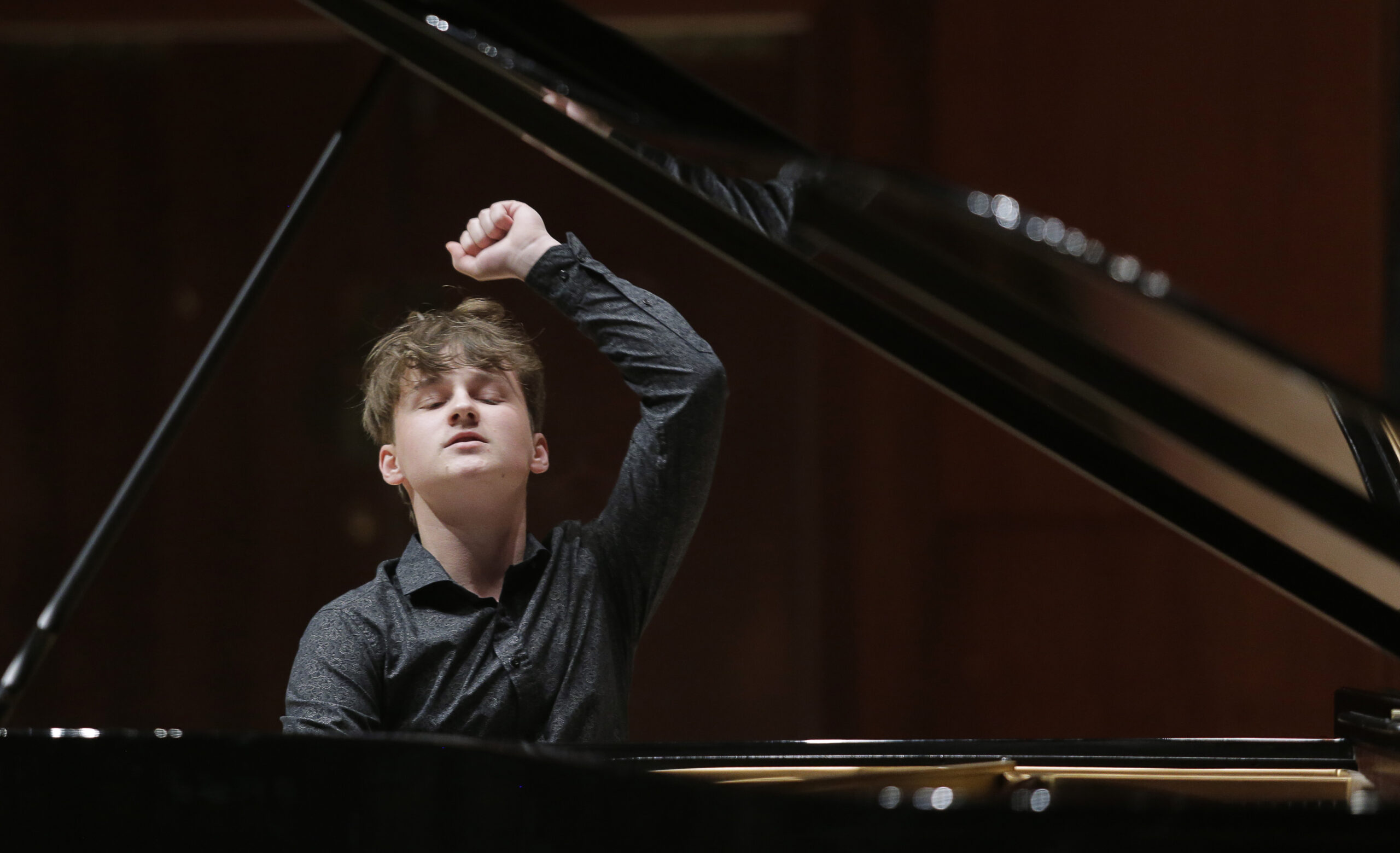
On 29 August 2026, Victoria Concert Hall welcomed Berlin-based pianist Roman Borisov for his Asia Debut — a recital that brought together Beethoven’s Piano Sonata No. 8 in C minor, Op. 13 “Pathétique”, Schumann’s Humoreske in B-flat major, Op. 20, and Rachmaninoff’s Piano Sonata No. 2 in B-flat minor, Op. 36.
Presented by True Music Singapore as part of the European Sound Piano Concert series, the evening offered a programme of striking contrasts — and at its centre was Borisov himself, whose warm and engaging presence made the evening feel as much like a meeting with an artist as a formal recital.
A Journey Through Three Contrasting Worlds
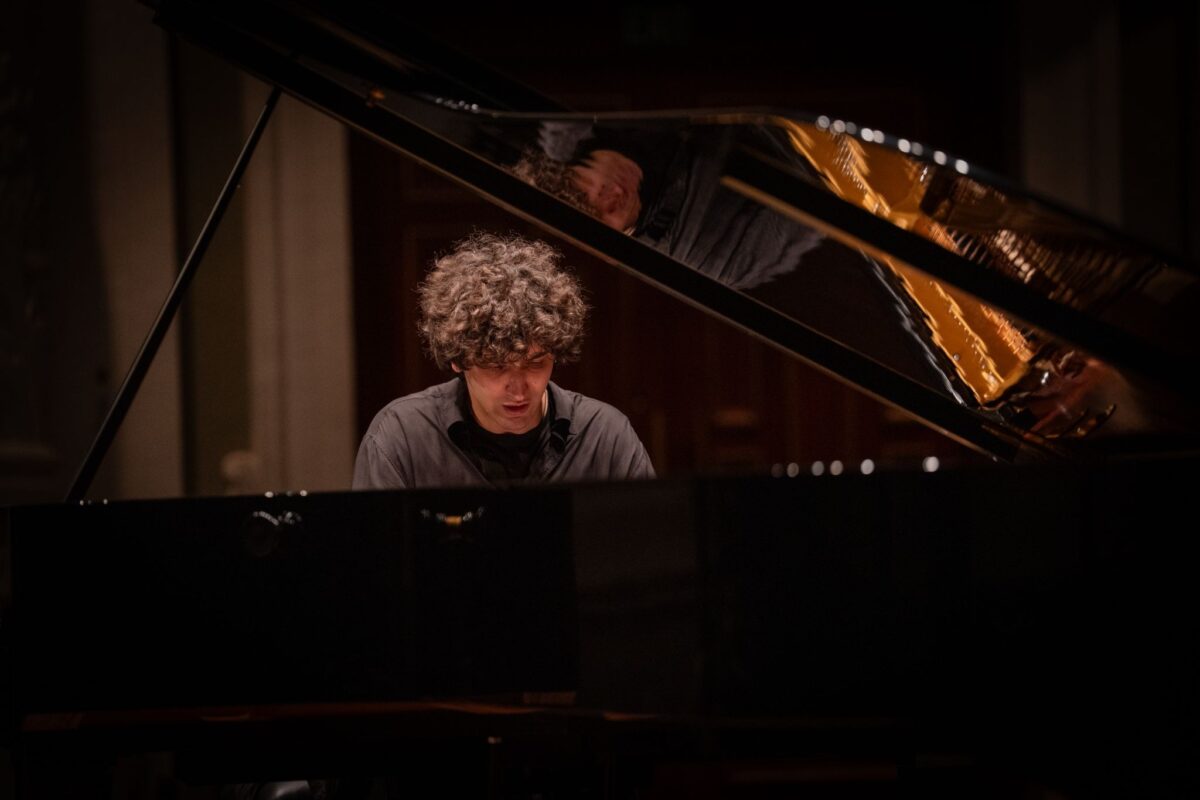
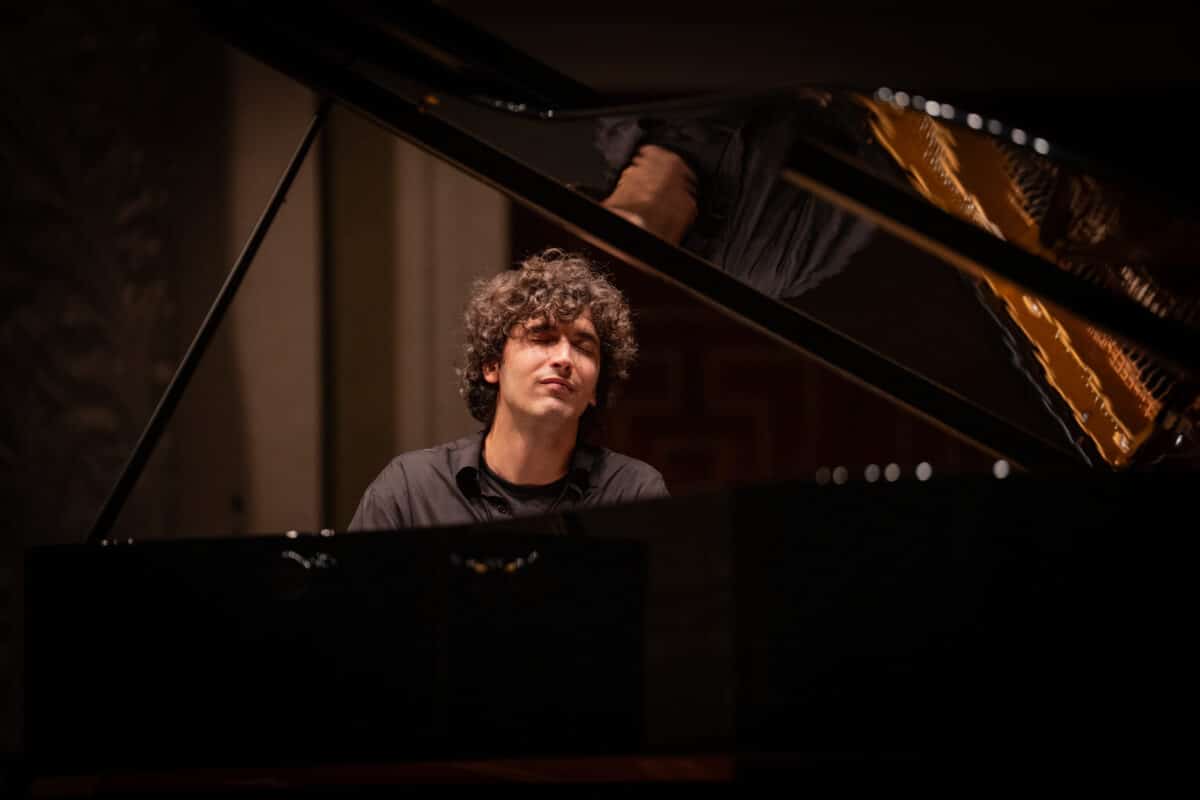
From the opening bars of the Pathétique, Borisov established the breadth of the evening ahead. Beethoven’s imposing Grave introduction gave way to the restless energy of the first movement, before the lyrical second movement offered a striking change of atmosphere. The finale brought the work to a spirited close, completing Beethoven’s journey between gravity, lyricism, and momentum.
Schumann’s Humoreske allowed Borisov to turn inward. Written in 1839, the work moves freely between contrasting states of mind — lyrical passages giving way to moments of agitation, intimacy, and exuberance. Its music unfolds through shifting perspectives rather than straightforward narrative, making it especially dependent on the performer’s ability to give each moment its own character while maintaining a sense of continuity. Borisov navigated this with a clear sense of direction and an ear for colour.
After the interval, Rachmaninoff’s Piano Sonata No. 2 brought the recital into its most expansive territory. Dense writing, powerful climaxes, and broad melodic lines were all handled with assurance — but it was in the more transparent passages of the second movement, where the texture opens up and the piano’s colours come through with striking clarity, that Borisov’s instinct for storytelling felt most at home.
Across the three works, Borisov revealed a pianist comfortable with very different expressive demands — from Beethoven’s architectural precision to Schumann’s shifting moods and Rachmaninoff’s sweeping Romantic sound world.
A Perfect Stage Companion
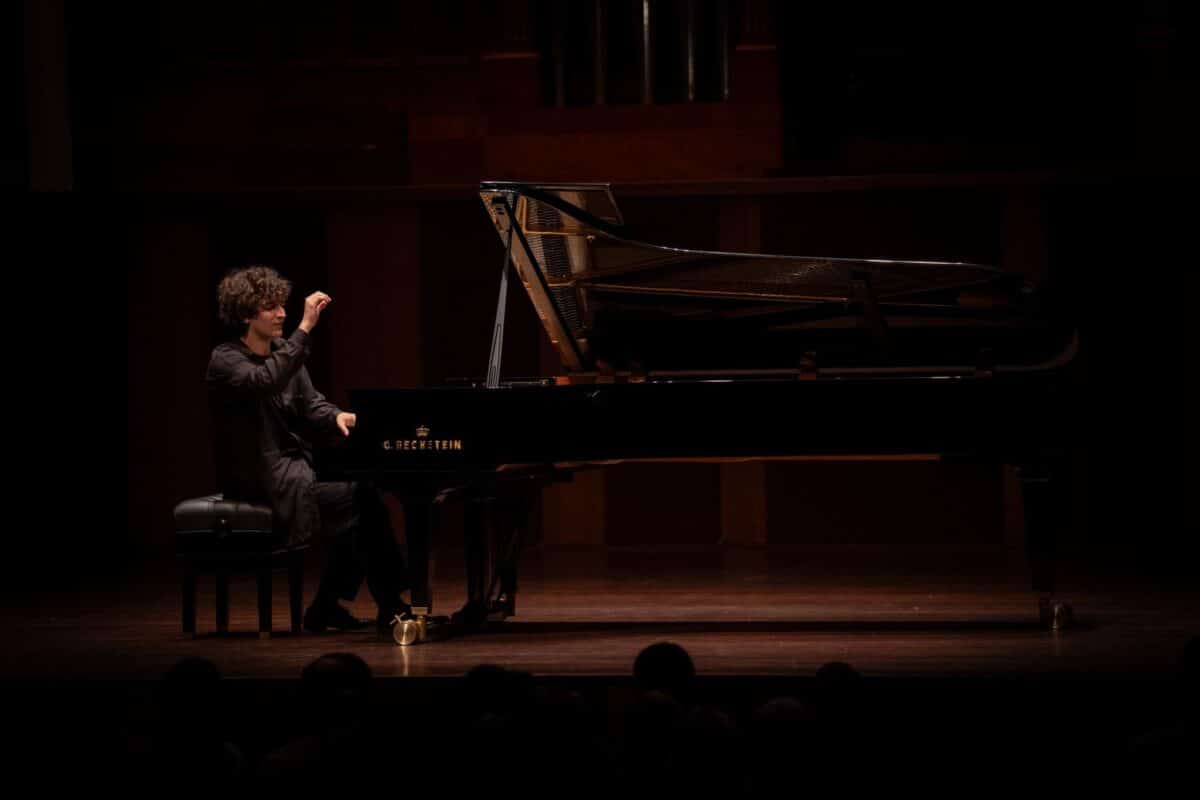
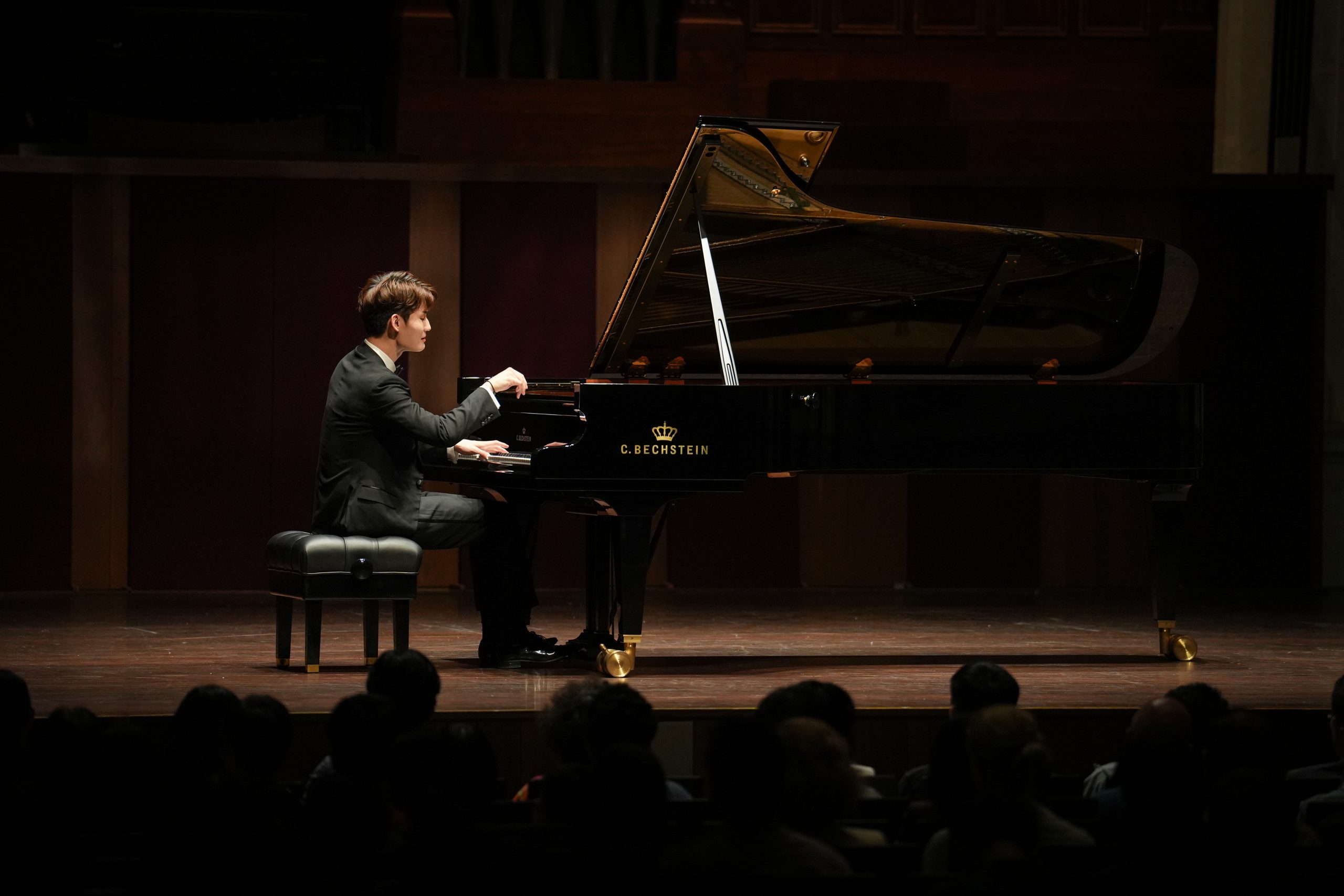
The C. Bechstein D 282 proved an especially fitting partner for the programme. Its capacity to move between weight and delicacy — holding the full resonance of Rachmaninoff’s climaxes without losing clarity in Schumann’s more intricate inner voices — suited Borisov’s expressive approach throughout. In the quieter, more transparent moments of the evening, this became particularly apparent, the instrument complementing rather than competing with the music and musician.
An Evening That Wasn’t Quite Ready to End
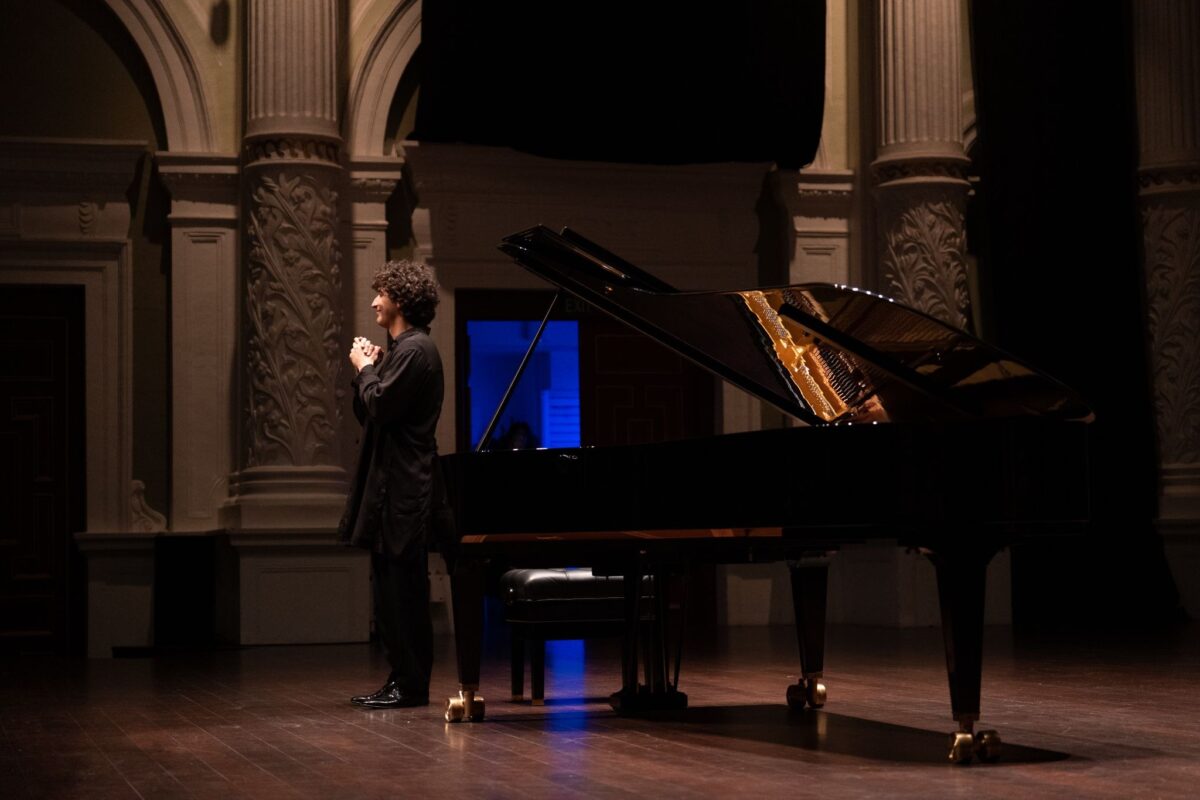
The audience response throughout was warml and enthusiastic — and by the time Borisov reached the end of the scheduled programme, it was clear the evening wasn’t quite finished.
He returned for not one, but three encores: Mendelssohn’s Song Without Words Op. 67 No. 2, Rachmaninoff’s Prelude in G minor Op. 23 No. 5, and Medtner’s Canzona serenata Op. 38 No. 6. Even after the third, the applause continued, and there was certainly a feeling that the audience would have happily stayed for one more.
That generosity between artist and audience was perhaps one of the most memorable aspects of the evening. Borisov’s warmth extended beyond the stage as well, where he was equally approachable and engaging — adding a personal dimension to his first encounter with Singapore audiences, and leaving the kind of impression that makes a debut genuinely worth remembering.
This event was presented by Bechstein Music World and organised by True Music Singapore, divisions of Cristofori Music Group. For updates on upcoming events, follow True Music Singapore and Bechstein Music World on their Facebook and Instagram pages.