Why Music Education Matters: 7 Lifelong Benefits of Learning an Instrument


Why does learning music matter? Discover seven lifelong benefits of playing an instrument, from discipline and focus to creativity, wellbeing and connection, at any age.
Music is part of nearly every culture and every stage of life. Learning to play it, whether as a child, a teenager or an adult, brings rewards that reach well beyond the instrument itself.
Here are seven benefits that learners and educators often point to.
1. Discipline and perseverance
Progress on an instrument rarely comes quickly. Learners discover that steady, patient practice leads to improvement, and that a difficult passage becomes manageable with time. That habit of persistence is valuable in school, at work and in everyday life.
2. Sharper focus and memory
Reading notation, coordinating both hands, listening and keeping time all at once demands real concentration. Over time, many learners find they become better at sustaining attention and recalling patterns.
3. Greater confidence

Playing in front of others takes courage. Each performance, whether for a teacher, a family or an exam examiner, builds a little more comfort with sharing something you have worked hard on.
4. Creativity and self-expression
Music gives people a way to express what words cannot. As skills grow, learners begin to shape phrases, explore styles and make pieces their own, and for many that leads to improvising or composing.
5. Emotional wellbeing
Playing an instrument can be a welcome pause in a busy day. Many people find it helps them unwind, process feelings and feel more balanced.
6. Connection with others

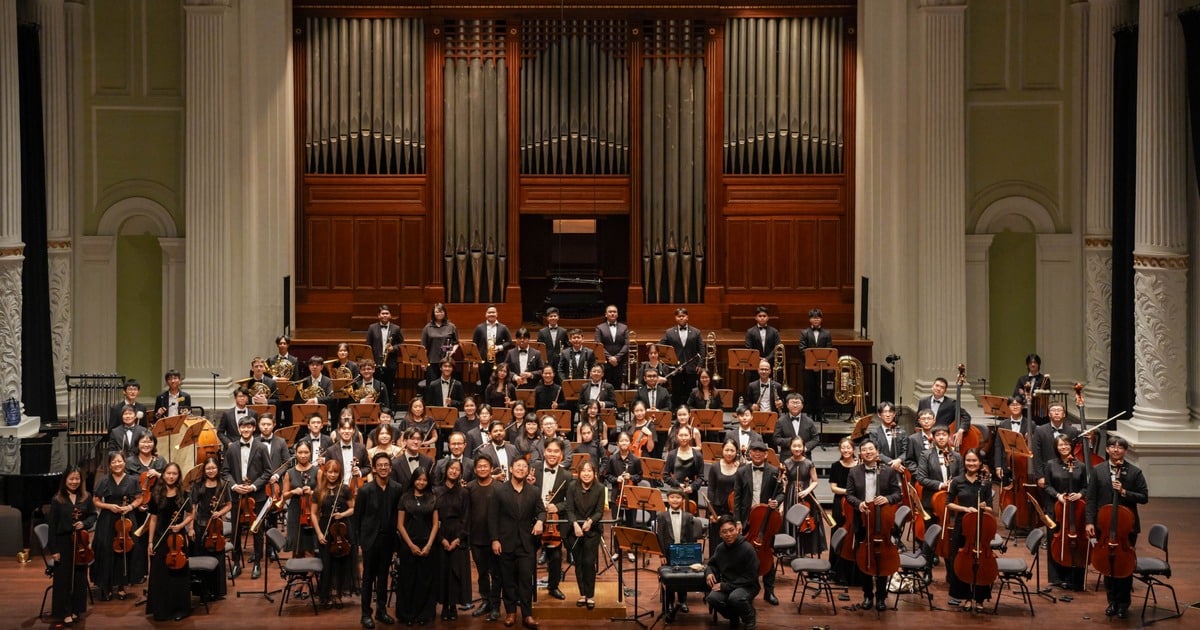
Bands, ensembles, lessons and concerts bring people together. Learners practise listening, teamwork and mutual respect, and often form friendships along the way.
7. A skill for life
Music does not have an age limit. Someone who learns an instrument can carry that ability for decades, whether as a hobby, a creative outlet or a way to share moments with others. And it is never too late to begin.
Setting Goals Along the Way
Clear goals help learners stay motivated. Graded music exams offer one structured path: each grade marks a milestone, gives practice a purpose and recognises the progress made. RSL Awards offers graded exams across a range of instruments and styles, so learners can choose a path that suits their interests.
Beginning Your Musical Journey
The best time to start is when curiosity strikes, and the best approach is one that is structured, encouraging and enjoyable. Whatever your age or level, there is a place for music in your life.
Interested in graded exams? Explore the RSL Classical and Rockchool Syllabuses or find out how to prepare for your exam.