Preparing for Your First RSL Face to Face Music Exam: A Step-by-Step Guide for Rockschool and RSL Classical Candidates


Getting ready for your first Rockschool or RSL Classical exam? Learn how to choose your pathway, understand the exam, plan your practice and prepare for the day.
Your First RSL Exam
A first graded exam is an exciting milestone, and it helps to know what to expect. This guide walks through the steps for candidates, parents and teachers preparing for a first Rockschool or RSL Classical exam.
1. Choose Your Pathway
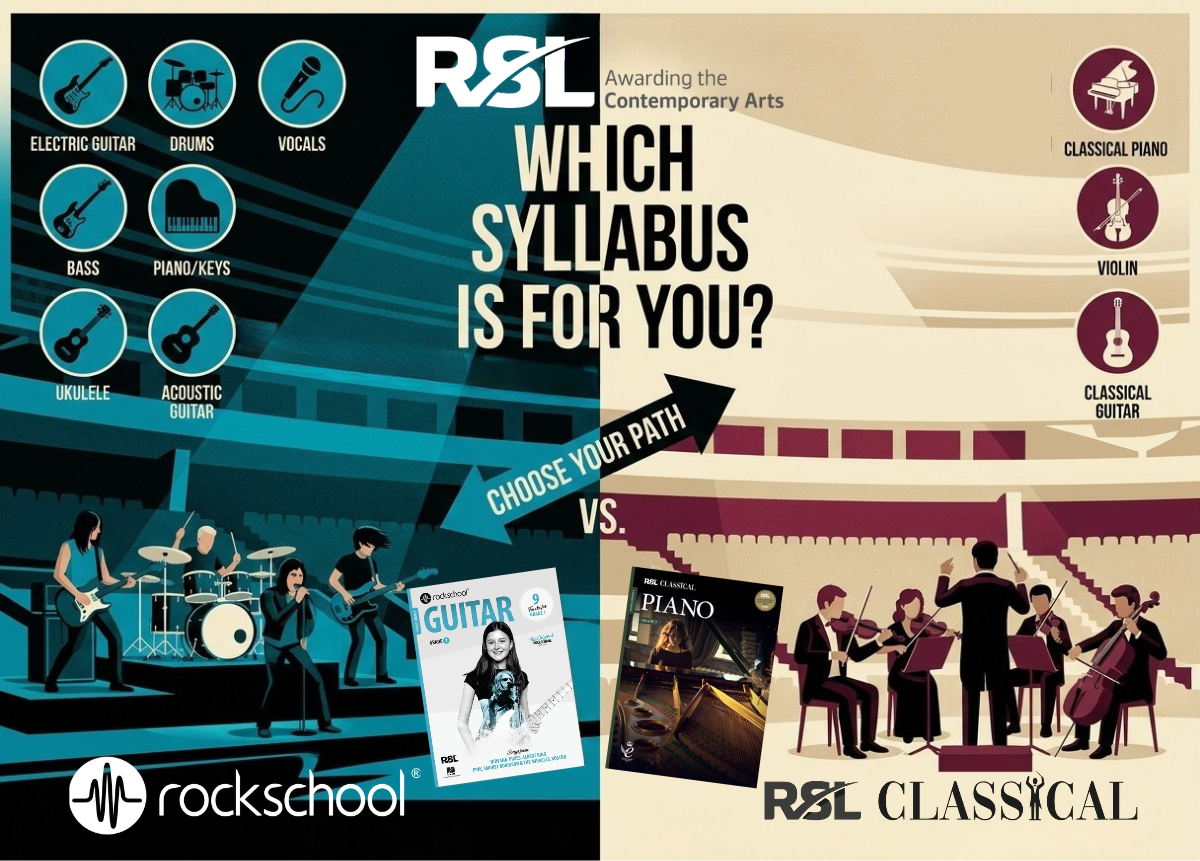
RSL offers two main pathways for music candidates. Rockschool is the contemporary pathway, covering instruments such as guitar, bass, drums, contemporary piano, keyboard, vocals and ukulele. RSL Classical covers classical piano, violin and classical guitar. Both begin at an entry level and go up to Grade 8. Your teacher can help you choose, based on the music you enjoy and the instrument you play.
2. Understand the Exam Types
Knowing exactly what happens inside the exam room removes half the anxiety. Exams are marked out of 100, with 60 as the pass mark (75 for Merit, 90 for Distinction).
Depending on your child’s goals, RSL offers two distinct exam formats:
The Grade Exam (Comprehensive Assessment)
For most instruments, a standard Grade Exam covers five areas:
- Three Performance Pieces: Making up the bulk of the marks. Up to two pieces can be Free Choice selections.
- Technical Exercises: Scales, arpeggios, or technical studies tailored to the instrument.
- Unseen Tests: A choice between Sight Reading or Improvisation & Interpretation (from Grade 6 onwards, a Quick Study piece replaces this for select instruments).
- Ear Tests: Two short listening tests assessing pitch, rhythm, and musical recall.
- General Musicianship Questions: Five brief questions about the music performed and the instrument itself.
The Performance Certificate (Performance-Only)
If your child prefers to focus purely on playing without technical exercises or unseen tests, the Performance Certificate consists of five performance pieces only (up to three may be free-choice pieces).
Your teacher will confirm the exact requirements for yo
3. Know the Parts of a Grade Exam
For most instruments, a Grade Exam includes:
- three performance pieces, which carry most of the marks
- technical exercises
- sight reading or improvisation and interpretation (this is replaced with a Quick Study Piece at Grades 6-8 for certain instruments)
- two ear tests
- general musicianship questions
Exams are marked out of 100, and a mark of 60 is needed to pass. The exact content depends on the instrument and the grade, so check the syllabus for yours.
4. Choose Your Exam Format
RSL exams in Singapore can be taken face to face, or as a recorded digital exam. Check out our website for information on registration to the RSL Exams in Singapore.
5. Build a Study Plan
In Singapore, RSL exams are conducted across four exam periods each year:
- Tour A: March
- Tour B: June
- Tour C: September
- Tour D: Mid-November to mid-December
Once you have selected your target tour with your teacher, map out a backwards timeline. Allocate dedicated weeks for learning notes, polishing technical work, and practising unseen tests. A steady routine of shorter, regular practice sessions is better than a last-minute cramming session every time—and leaves plenty of room in the final weeks to run through the entire exam from start to finish.
6. Use Official RSL Audio & Digital Practice Tools
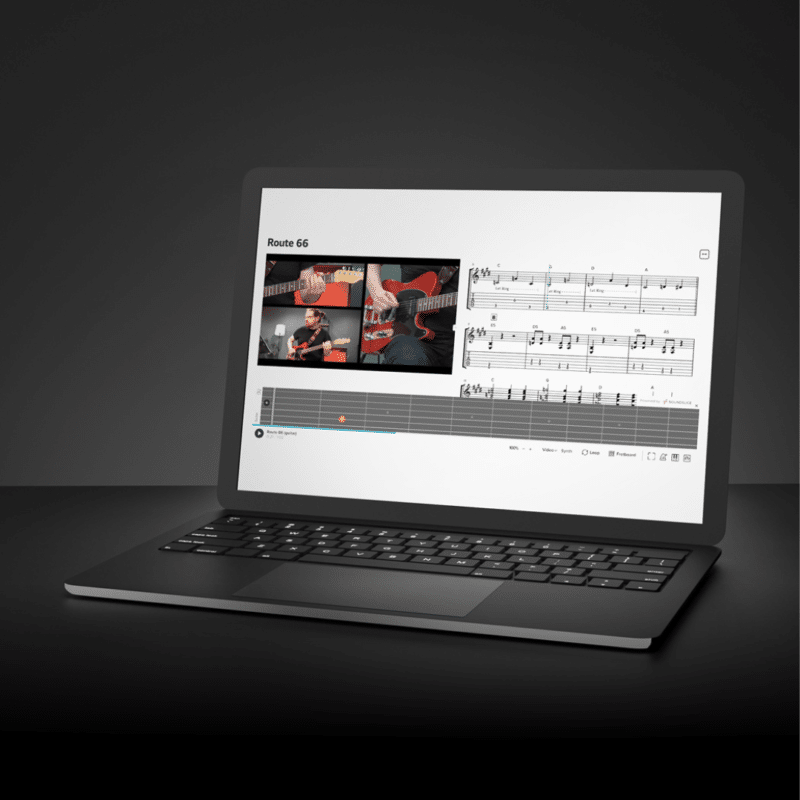
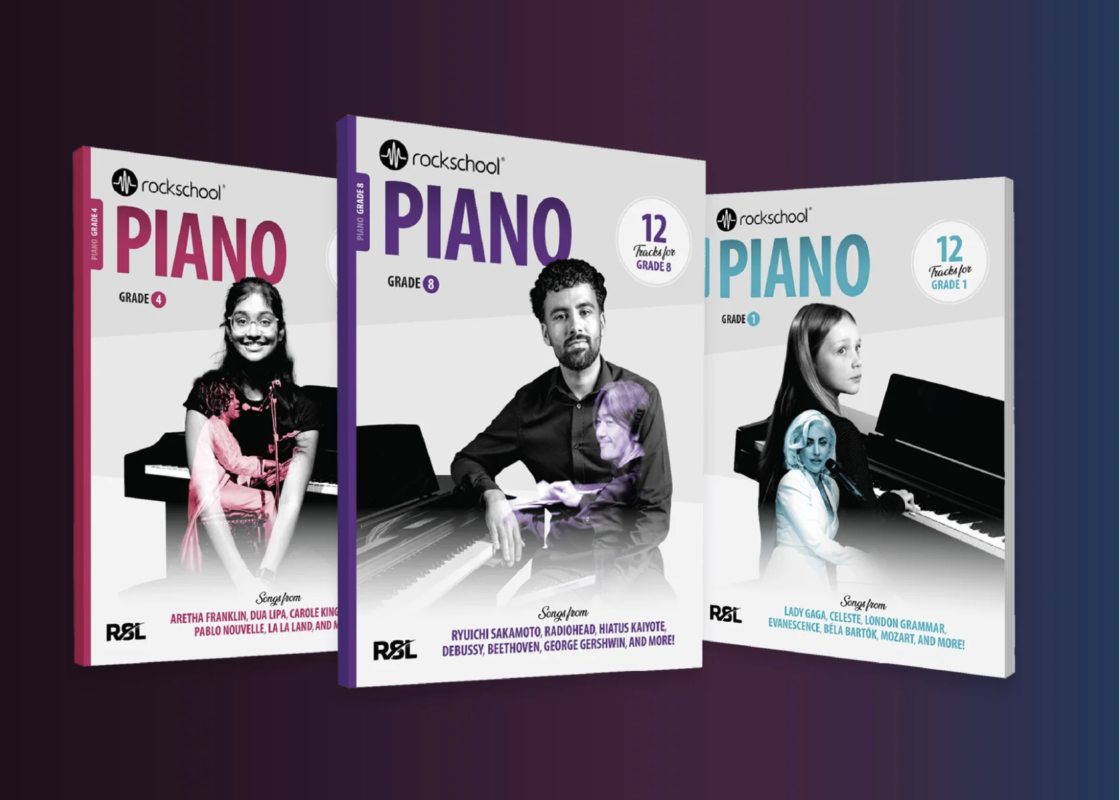
Whether your child practises with a physical hardcopy book or an interactive Exam e-Book on the RiFF platform, make sure they use the official RSL backing tracks and demonstration audio included with their syllabus.
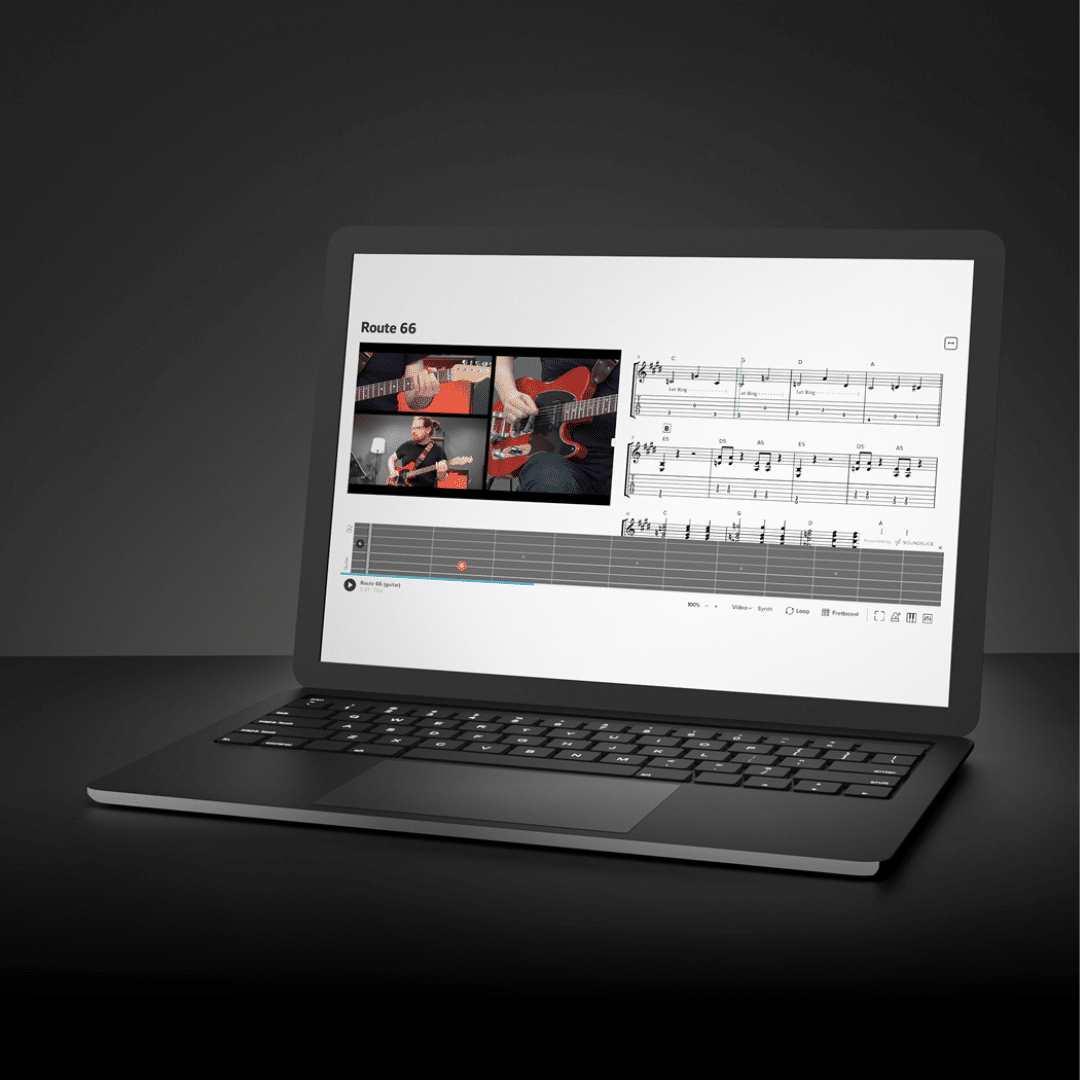
For Exam e-Book Users (RiFF): Students using the digital e-Books on RiFF gain interactive tools like section looping and tempo control to slow down tricky passages. Be sure to switch on Exam Mode a few weeks before the exam—this hides the practice controls and displays the sheet music cleanly, just as it will appear on the day. Read more in our article on getting started with your e-books and using RSL RiFF.
For Hardcopy Book Users: Every physical RSL grade book includes access to downloadable audio files (both full demonstration tracks and backing-only tracks). Practising regularly with the official backing tracks builds solid timing and ensures your child is completely familiar with the exact cues, count-ins, and instrumentation they will hear in the exam room.
Exam Room Tip: If your child is bringing a hardcopy book into the exam, make sure it is an original copy (photocopies are not permitted under copyright rules) and remove any loose notes or heavy pencil markings that might distract them while playing. Do note that is it not required to remove all pencil markings. If the examiner deems the candidates copy too full of writings to use for the general musicianship questions, they will show the candidate a clean unmarked copy for that part of the exam.
7. Rehearse the Exam
A mock exam, at home or with your teacher, helps you get used to playing straight through. Invite a friend or family member to listen, so that performing for someone feels familiar.
Exam Day Checklist
- Get a good night’s sleep and eat well beforehand.
- Arrive early and allow time to settle.
- Check that everything you need is ready, including any device, files or printed music.
- Take a few slow breaths before you begin. The examiner is there to hear you play well.
After the Exam
Whatever the result, celebrate the effort. Each exam builds skills and confidence that last well beyond the exam room.
Find more guidance on our prepare for your exam page, or explore the RSL Classical Piano syllabus.